

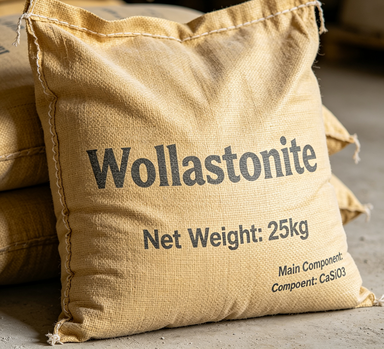
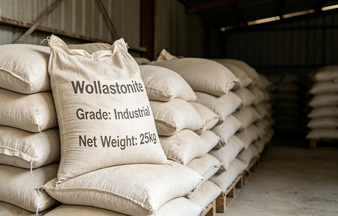
Wollastonite CAS#13983-17-0
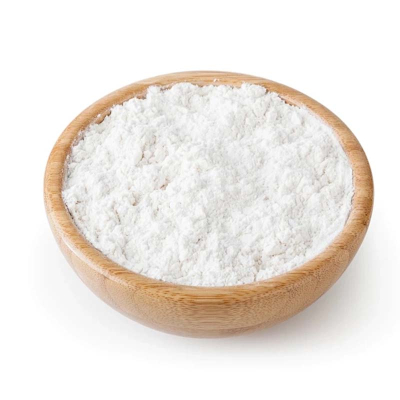
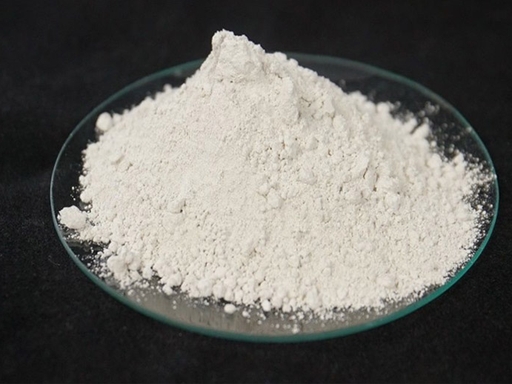
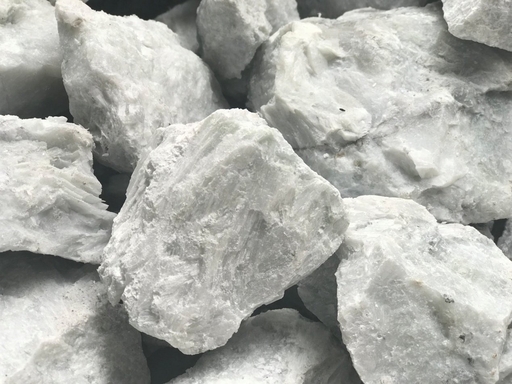
Wollastonite, with the molecular formula CaSiO₃ (CaO₃Si), presents as a white crystalline solid (sometimes with light gray or pink hues) with a glassy luster and pearly luster on cleavage faces. It is characterized by its acicular or fibrous crystal morphology, low hygroscopicity, and excellent chemical and thermal stability. It is virtually insoluble in water but soluble in concentrated hydrochloric acid. The material is non-toxic, low in conductivity, and possesses good insulating properties, making it suitable for high-performance industrial applications.
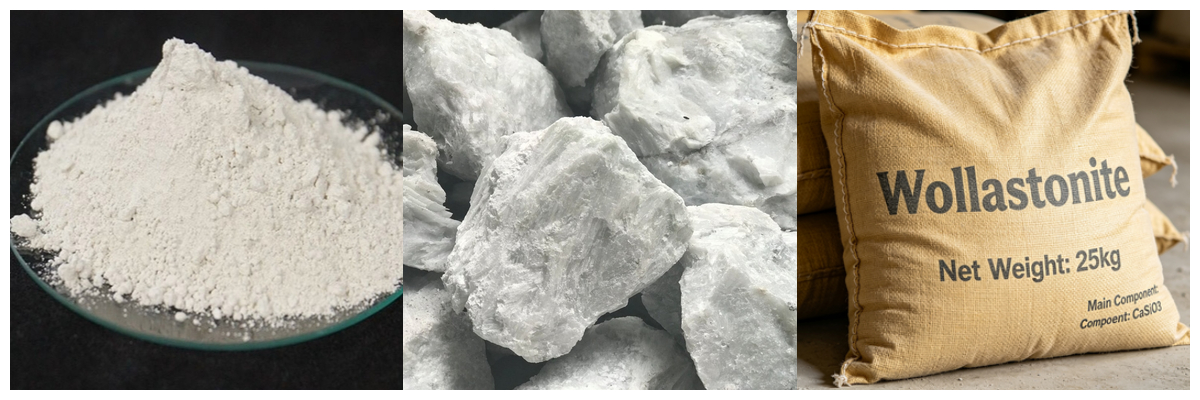
Wollastonite Chemical Properties
| Property | Value |
|---|---|
| Melting point | 1540 °C |
| Density | 2.75–3.10 g/cm³ |
| Mohs Hardness | 4.5–5.5 |
| Refractive index | 1.616–1.653 |
| Thermal expansion coefficient | 6.5×10⁻⁶ °C⁻¹ |
| Storage temp | Store in a dry, cool place; avoid moisture |
| Solubility | Insoluble in water; soluble in concentrated HCl |
| Form | White crystalline solid, acicular/fibrous mass |
| Color | White to cream, light gray, or pink |
| Odor | Odorless |
| PH | Neutral (insoluble in water) |
| Water Solubility | 0.0095 g/100 mL (25 °C) |
| Hygroscopicity | < 4% |
| Stability | Stable under normal conditions. Incompatible with strong acids. |
| InChIKey | Not available |
| CAS DataBase Reference | 13983-17-0 |
| NIST Chemistry Reference | Wollastonite (13983-17-0) |
| EPA Substance Registry System | Calcium metasilicate (13983-17-0) |
Safety Information
| Item | Value |
|---|---|
| Hazard Codes | Xi (Irritant) |
| Risk Statements | 36/37 (Irritating to eyes and respiratory system) |
| Safety Statements | S22-S26-S37/39 |
| WGK Germany | 1 (Slightly water hazardous) |
| RTECS | Not available |
| TSCA | Yes |
| HS Code | 252919 |
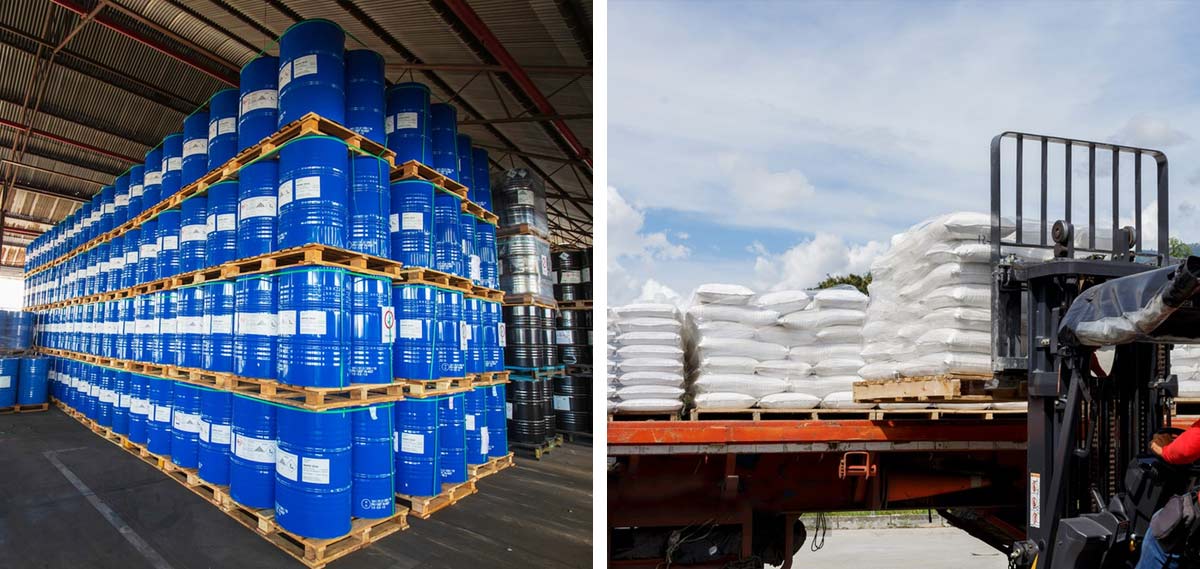
Applications
This compound is primarily used as a reinforcing functional filler in plastics, rubber, and paint to improve mechanical strength, heat resistance, and dimensional stability. It is a key raw material in ceramic manufacturing (for tableware, sanitary ware, and technical ceramics) and friction products (brake pads and clutch linings). It functions as a fluxing agent in metallurgy, a coating material for welding electrodes, and a component in refractory and insulating materials. Additionally, it is widely utilized in paper making, construction materials, and as an eco-friendly alternative to asbestos due to its fibrous structure and non-toxic nature.