

Zinc Chloride (ZnCl₂) CAS 7646-85-7
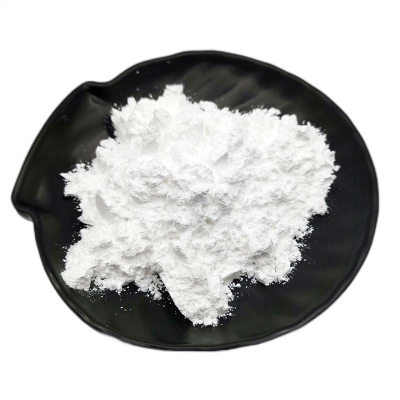
Zinc chloride is an inorganic compound with the chemical formula ZnCl₂. It appears as a white or colorless crystalline solid, is highly soluble and hygroscopic, and is widely used in chemical synthesis, battery electrolytes, soldering fluxes, and wood preservation.
1. Product Overview
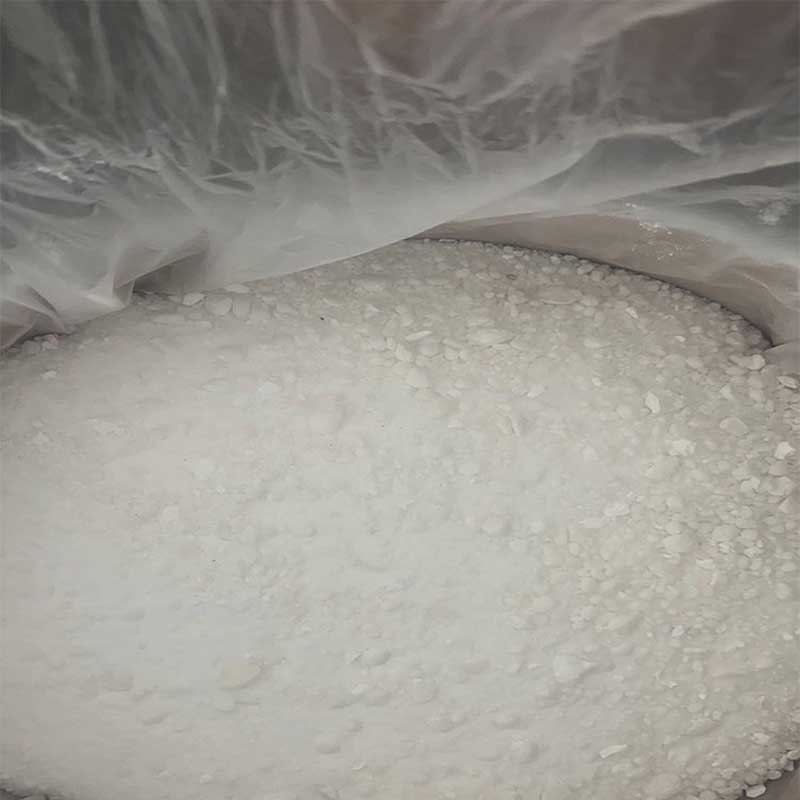
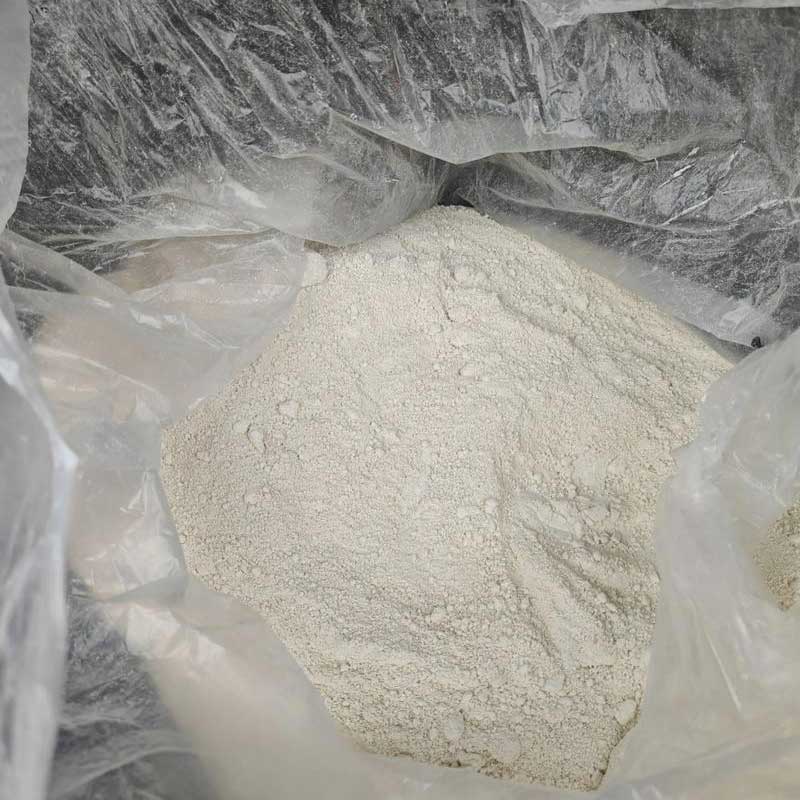
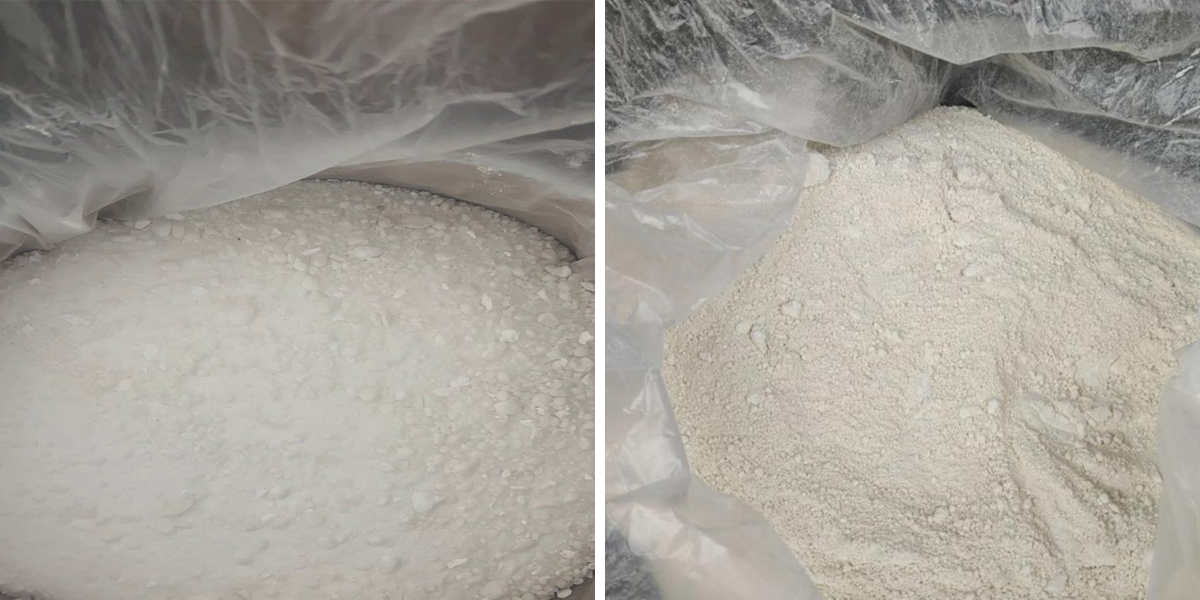
Zinc chloride (ZnCl₂) is an important inorganic compound with the chemical formula ZnCl₂, CAS number 7646-85-7, and molecular weight of approximately 136.3 g/mol . At room temperature, it appears as a white granular crystalline powder or crystalline mass belonging to the hexagonal crystal system, and is odorless .
Zinc chloride is renowned for its exceptionally high water solubility and pronounced deliquescent properties. It is one of the most soluble solid salts (432 g per 100 g of water at 25°C). Its unique chemical properties, particularly its ability to dissolve metal oxides and cellulose, make it an indispensable chemical across numerous industrial sectors. It is widely used in battery manufacturing, organic synthesis catalysts, wood preservation, textile mordants, electroplating, petroleum purification, and pharmaceutical applications .
2. Key Features
Exceptional Solubility: Zinc chloride exhibits extremely high solubility in water, forming complex acids like H[ZnCl₂(OH)] in concentrated solutions. This property is the basis for its ability to dissolve metal oxides .
Excellent Solvent Compatibility: Beyond water, it readily dissolves in numerous oxygen-containing organic solvents including methanol, ethanol, glycerol, acetone, and ether, as well as nitrogen-containing solvents, enabling broad application versatility .
Unique Metal Oxide Dissolution: In its molten state or concentrated solutions, zinc chloride effectively dissolves metal oxides—a critical property for welding fluxes and metal surface treatment applications .
Cellulose Solvent: Concentrated zinc chloride solutions can dissolve cellulose, giving it special utility in paper manufacturing and textile processing .
Catalytic & Dehydrating Properties: As a Lewis acid, it serves as an efficient dehydrating agent, condensation agent, and catalyst in organic synthesis. For example, it is used in Lucas reagent for alcohol classification .
Multiple Grade Options: Available in various specifications from industrial grade to high-purity reagent grade (e.g., AR, 98-99%), as well as different concentration solutions, meeting diverse needs from research to large-scale industrial production .
3. Technical Specifications with Explanations
Based on national and international standards:
| Parameter | Typical Value/Specification | Description & Significance |
|---|---|---|
| CAS Number | 7646-85-7 | Universal chemical substance identifier . |
| Molecular Formula | ZnCl₂ | Core chemical structure identifier . |
| Molecular Weight | 136.3 - 136.32 g/mol | Used for stoichiometric calculations and solution preparation . |
| Appearance | White granular crystalline powder or crystalline mass | Visual quality indicator; should be uniform white, free from visible impurities . |
| Purity (Assay) | AR 98.0% - 99.0% ; high-purity grades available | Core specification. Higher purity minimizes impurities for precise analysis and sensitive synthesis . |
| Melting Point | 283°C - 290°C | Characteristic physical constant; variations between sources provide reference for purity verification . |
| Boiling Point | 732°C | High boiling point indicates good thermal stability . |
| Density | 2.91 g/cm³ (solid) Solution density varies by concentration | Solid is heavier than water; used for volume-to-weight conversions . |
| Solubility | Water: 432g/100g (25°C) Organic solvents: Soluble in ethanol, glycerol, acetone, ether | Core parameter. Extremely high water solubility is a defining characteristic determining application scope . |
| Deliquescence | Strong | Readily absorbs moisture from air; requires strict sealed storage . |
| Storage Conditions | Keep tightly sealed, store in dry place | Prevents moisture absorption and degradation . |
| Hazard Classification | Corrosive (Class 8) | Corrosive material requiring hazardous chemical handling and transport protocols . |
4. Applications
Battery Manufacturing
Dry Cell Electrolyte: Key raw material in zinc-carbon and zinc-manganese dioxide batteries, serving as the electrolyte .
Organic Synthesis & Chemical Industry
Catalyst & Dehydrating Agent: Catalyst for Friedel-Crafts reactions, esterification, and other organic transformations .
Lucas Reagent: Combined with concentrated hydrochloric acid to form Lucas reagent for distinguishing low molecular weight primary, secondary, and tertiary alcohols .
Condensation Agent: Used in the synthesis of dyes, pesticides, and pharmaceutical intermediates .
Metal Surface Treatment
Welding Flux: Commonly known as "soldering flux," it removes oxide layers from metal surfaces by dissolving metal oxides, ensuring strong solder joints .
Pre-Galvanizing Treatment: Used in electroplating for metal surface cleaning and activation .
Textile & Dyeing Industry
Mordant: Helps fix dyes to fibers in the printing and dyeing industry .
Sizing & Weighting Agent: Used for sizing and weight enhancement of textiles .
Wood & Paper Industry
Wood Preservative & Flame Retardant: Wood impregnated with zinc chloride solution exhibits preservative and flame-retardant properties .
Cellulose Solvent: Concentrated solutions dissolve cellulose, used in manufacturing specialty papers like kraft paper .
Petroleum & Activated Carbon Industry
Petroleum Purifier: Removes impurities during petroleum refining .
Activated Carbon Activator: Serves as an activator in activated carbon production, increasing porosity .
Pharmaceutical & Dental Applications
Astringent & Cauterizing Agent: Low concentration solutions (e.g., 1%) used as astringents in mouthwashes; high concentrations (10%) used as dentin desensitizers .
Dental Adhesive: Mixed with zinc oxide, it rapidly hardens to form zinc phosphate cement, a common dental adhesive .
Other Industrial Applications
Smoke Agent: Used in military smoke screens as a smoke-producing agent .
Water Treatment Agent: Functions as a biocide and corrosion inhibitor in cooling water treatment systems .
5. Product Grade Comparison
| Parameter/Grade | Industrial Grade | Analytical Reagent (AR) Grade | High Purity Grade | Standard Solution |
|---|---|---|---|---|
| Typical Purity | Various concentrations | ≥98.0% | ≥99% | e.g., 0.5 M in THF, 3 mol/L |
| Physical Form | Solid, molten blocks, solution | White crystalline powder | White crystalline powder | Colorless liquid |
| Critical Parameters | Main content, water insolubles, free acid | Main content, iron, heavy metals, sulfates, water insolubles | Very high main content, specific metal impurity control | Exact concentration, water content control (for non-aqueous use) |
| Primary Applications | Batteries, wood preservation, welding flux, petroleum purification, water treatment | Laboratory chemical analysis, routine organic synthesis, dyes, pharmaceutical intermediates | Electronics industry, high-precision organic synthesis, catalyst research | Analytical titration, specific organic reactions (e.g., THF solution for anhydrous reactions) |
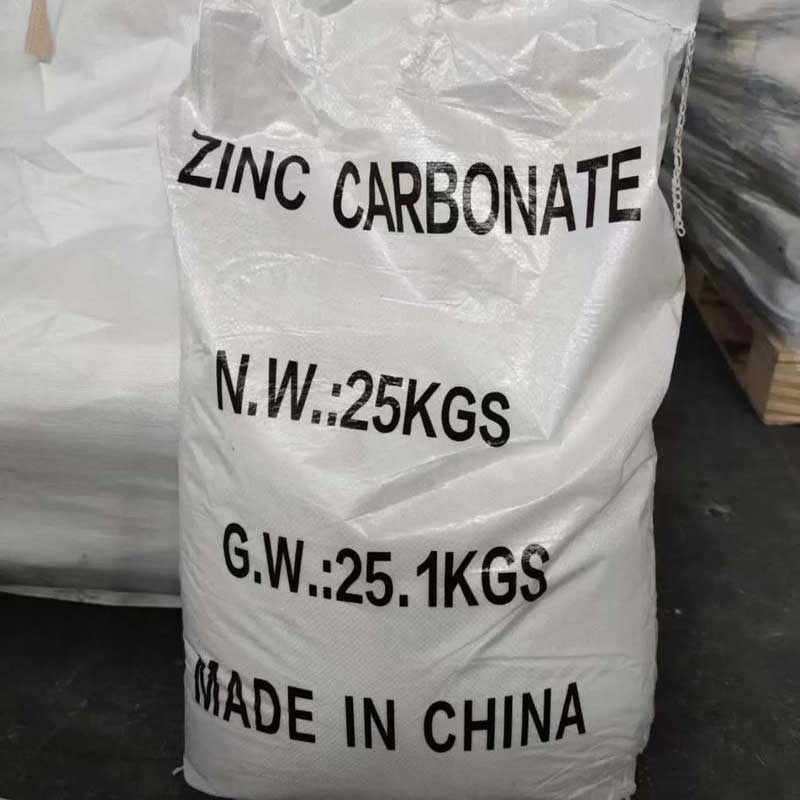
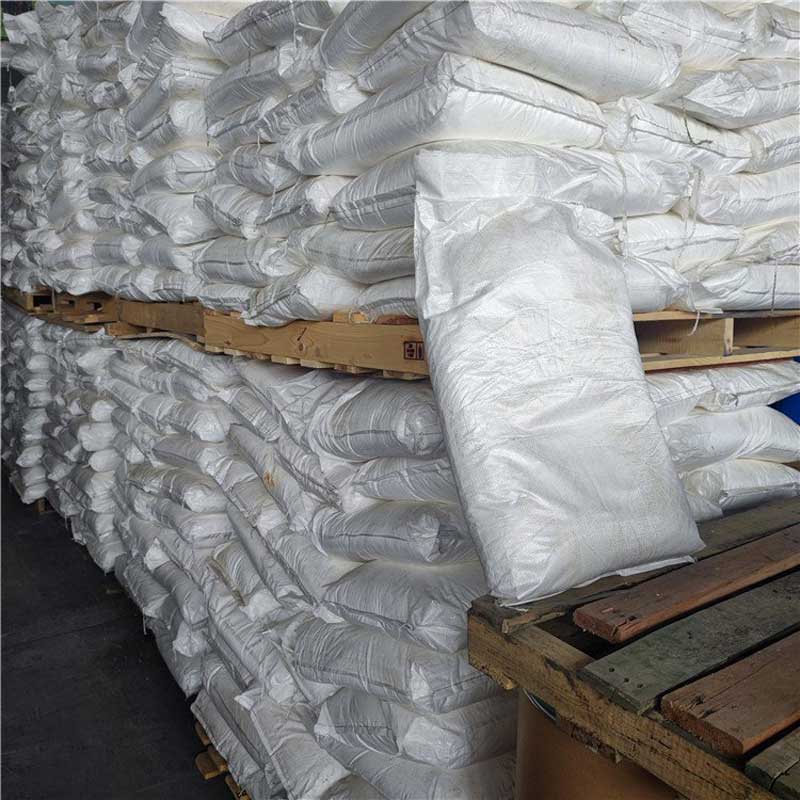
| Packaging | 25 kg bags, 50 kg drums, supersacks | 500 g bottles , 25 kg drums | Custom requirements | 100 mL , 1 L bottles |
| Storage Conditions | Sealed, dry, ventilated | Sealed, dry , moisture-proof | Sealed, dry, inert atmosphere | Cool, dry; some require freeze protection (e.g., THF solutions) |
6. Purchasing & Selection Guide
Select by Application Area
Large-Scale Industrial Applications (batteries, wood preservation, flux, water treatment):
Choose Industrial Grade zinc chloride. Select solid or liquid form based on process requirements. Focus on main content and water insolubles to balance performance and cost.
Chemical Synthesis & Pharmaceutical Intermediates:
Analytical Reagent (AR) Grade (e.g., ≥98%) typically meets most laboratory and fine chemical synthesis requirements . Monitor iron and heavy metal specifications to avoid affecting catalytic reactions or product color.
High-Precision Research & Electronics Applications:
Must select High Purity Grade (≥99%) . Request detailed Certificate of Analysis (COA) confirming trace metal impurities meet requirements.
Analytical Testing & Specific Reaction Systems:
Standard Solutions are preferred to avoid preparation errors and improve efficiency . For anhydrous/air-free operations, choose zinc chloride solutions in specific solvents (e.g., tetrahydrofuran) .
Key Selection Considerations
Hygroscopicity Control: Zinc chloride is extremely deliquescent. Use promptly after opening and seal tightly immediately; store in a desiccator .
Packaging Choice: For laboratory use, small bottles (500g) are recommended; for pilot/production scale, large packaging (25kg drums) with intact inner plastic liner ensures moisture protection .
Regulatory & Safety: Zinc chloride is classified as a hazardous chemical. Procurement, transport, and storage must comply with local regulations with appropriate safety facilities .
7. Frequently Asked Questions (FAQ)
Q: Why does zinc chloride readily deliquesce (absorb moisture)?
A: This is an inherent physical property of zinc chloride. It has a strong affinity for atmospheric moisture, readily absorbing water and dissolving in it—a process called deliquescence. Therefore, it must be stored in sealed, dry conditions .
Q: Why can zinc chloride solutions dissolve metal oxides?
A: In concentrated zinc chloride solutions, Zn²⁺ ions and water molecules form hydroxy complexes like H[ZnCl₂(OH)], which act as complex acids. These react with metal oxides (such as rust, FeO, during soldering) to form soluble complexes, thereby cleaning metal surfaces .
Q: What safety precautions are necessary when handling zinc chloride?
A: Zinc chloride is corrosive and irritating, can cause severe burns . Always wear appropriate PPE including dust mask, chemical safety goggles, and rubber gloves. Avoid inhaling dust and prevent skin and eye contact. In case of contact, rinse immediately with plenty of water for at least 15 minutes and seek medical attention . Ingestion is highly toxic (6g can be fatal) and requires emergency treatment .
Q: What are the common applications of zinc chloride?
A: It is a versatile industrial chemical. Most common applications include: dry cell electrolyte, welding flux, catalyst in organic synthesis, wood preservative, textile mordant, and dental adhesive .
Q: How do I prepare zinc chloride solutions?
A: Slowly add the calculated amount of solid zinc chloride to water with continuous stirring. The dissolution process is exothermic, so exercise caution. Store prepared solutions in glass, plastic, or corrosion-resistant containers. For precise concentration requirements, consider purchasing commercially prepared standard solutions for accuracy .
8. Delivery, Certification & Service
Delivery Capabilities
Inventory Status: Common specifications (AR 500g bottles, 25kg drums) available from regional warehouses.
Sample Program: Small quantities available for qualified customers for process testing and validation.
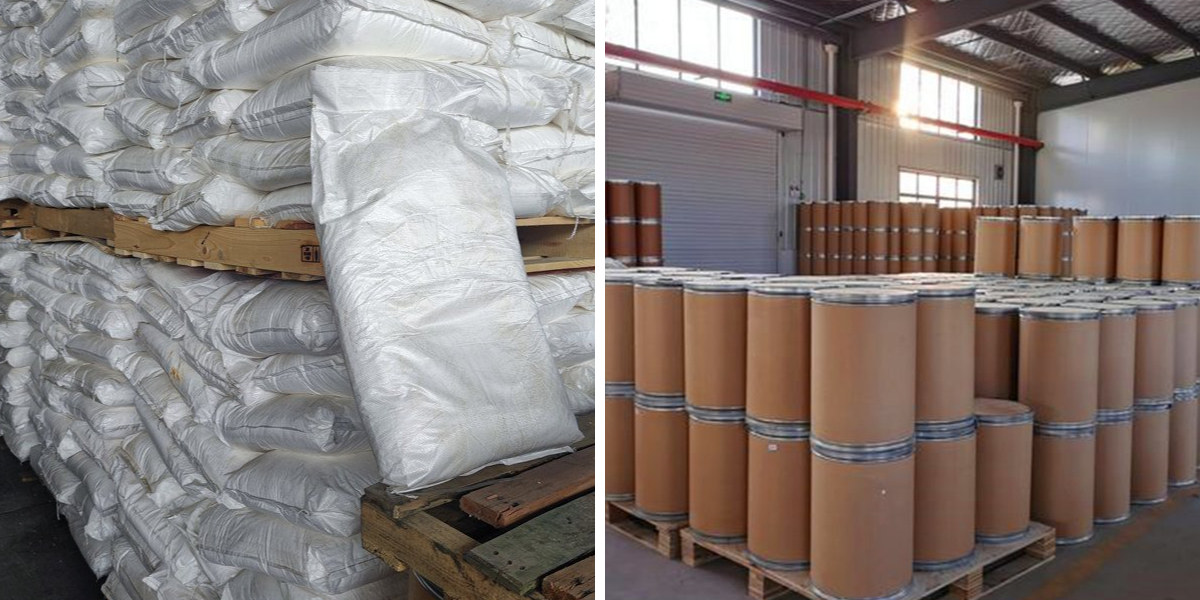
Packaging Options:
Research quantities: 500g plastic or fluorinated bottles .
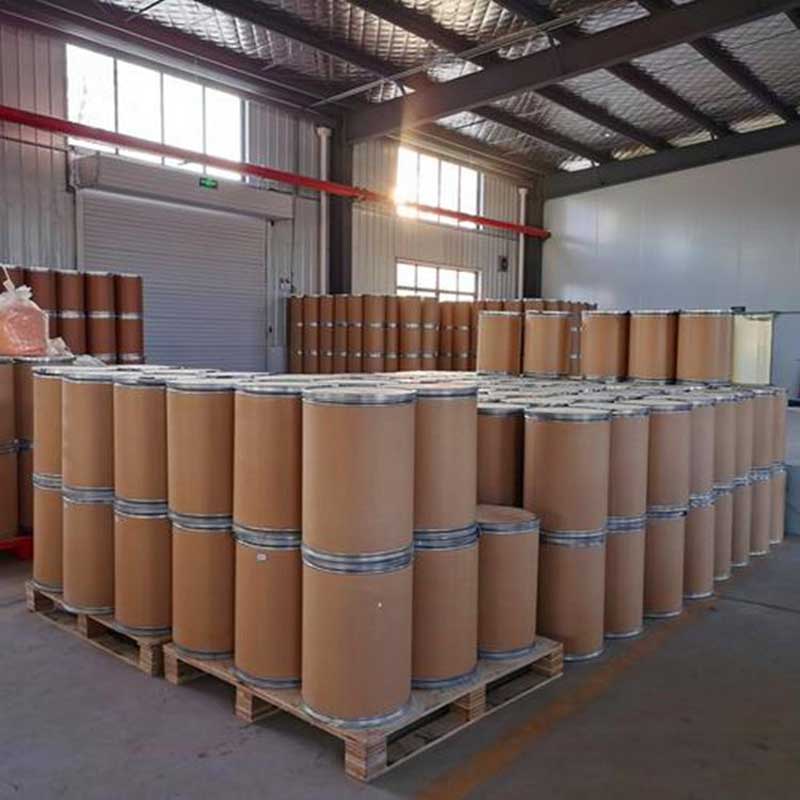
Industrial quantities: 25 kg fiber or steel drums with double polyethylene liner.
Custom solutions: Available in various concentrations and solvents (water, THF) upon request .
Shipping: Classified as hazardous material; transport strictly complies with national dangerous goods regulations using specialized vehicles.
Quality Certifications
ISO 9001:2015 certified manufacturing facilities.
Certificate of Analysis (COA) provided with each batch, documenting content, appearance, water insolubles, iron, heavy metals, sulfates, and other critical parameters .
Safety Data Sheet (SDS) available in multiple languages.
Third-party test reports (e.g., SGS) available upon request.
Technical Support & Services
Technical Consultation: Chemist expert team available for online consultation on dissolution, preparation, application, and safe handling.
Custom Services: Tailored purity specifications and packaging options for qualified long-term customers.
Regulatory Support: Documentation packages for product registration in target markets.
Documentation Available
Certificate of Analysis (COA)
Safety Data Sheet (SDS/MSDS)
Technical Data Sheet (TDS)
Product Specification (PS)
Certificate of Origin (COO)